What “Recycled Yarn” Doesn’t Tell You
Cotton prices have been climbing for a while now, and it’s changed what’s happening quietly on factory floors across India. More manufacturers are blending recycled fibre into their yarn. The pitch to buyers is sustainability. The real reason, most of the time, is cost. This is a longer look at what that blend actually involves, so retailers sourcing from India know what questions are worth asking before they commit to an order.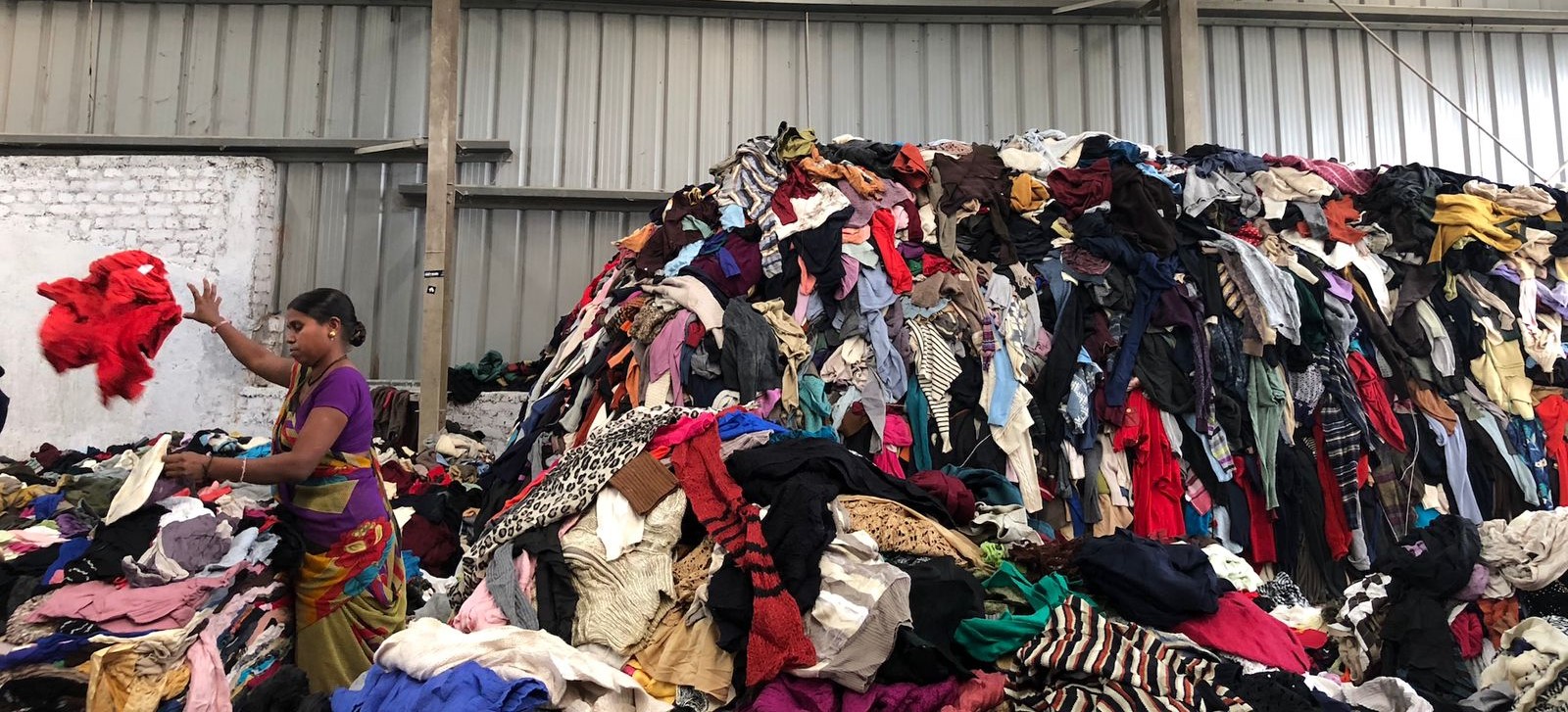
Two very different ways to recycle
Not all “recycled yarn” is made the same way, and the difference matters more than most sourcing conversations account for.
Chemical recycling breaks fibre down at a molecular level and rebuilds it into something close to virgin quality. It’s a genuinely good process. It’s also expensive and still uncommon at scale, so most recycled yarn coming out of India isn’t made this way.
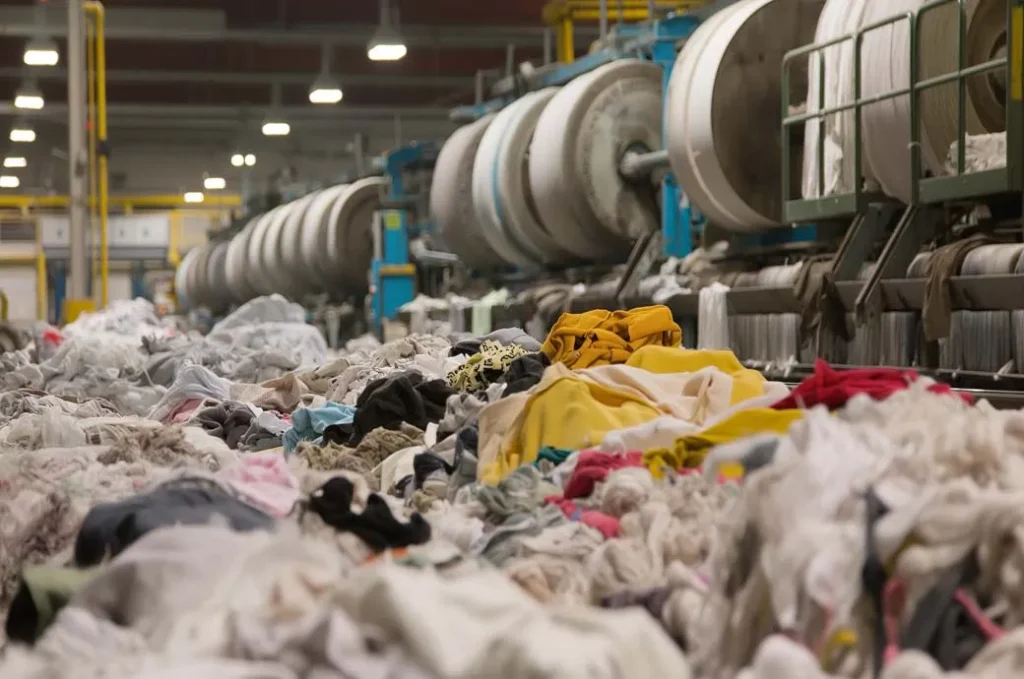
The far more common route is mechanical recycling: old garments get shredded, the fibre gets re-spun into yarn, and that yarn gets woven into rugs, throws, cushions, and blankets. It’s a real and large industry. It’s also the version with the most limitations, and the one worth understanding in detail.
What gets carried forward, and what gets lost
Shredding a garment doesn’t just recover fibre. It carries forward whatever that garment picked up in its first life. Old dyes, flame retardants, and water-repellent finishes can stay trapped inside the fibre, because mechanical recycling has no way to strip them back out. Some of that residue can transfer onto skin during wear.
The fibre itself also comes out worse than it went in. Shredding cuts long-staple cotton down into short, weaker strands, and short fibre doesn’t spin or hold up the way long fibre does. On its own it’s often too weak to use,
so it gets blended with synthetic fibre like polyester just to give it enough strength to survive weaving. That blend is what actually ends up in the product marketed to a customer as “sustainable,” and it tends to pill, thin out, and lose shape well before a comparable virgin cotton piece would.
There’s a real irony sitting inside all of this. The stated goal is reducing waste. But a product that wears out in half the time gets replaced twice as often, which is its own kind of waste, just moved further down the line to where the customer doesn’t see it as connected to the “recycled” label they bought into.
The part that rarely comes up in sourcing calls
There’s a labour side to this that almost never gets mentioned when recycled yarn is pitched as a sustainability win. India has become one of the world’s largest destinations for shredding discarded clothing shipped in from Europe, North America, and East Asia. That work is done by people standing at machines for full shifts, breathing air thick with textile lint. Independent reporting on this part of the industry has documented rising rates of lung disease and skin conditions among these workers, along with wastewater from some units draining untreated into the ground.
This isn’t every unit, and it isn’t unique to any one country. But properly run recycling, with real safety controls, treated wastewater, and clean processing, is still the exception rather than the standard. Getting there needs capital investment most of the smaller units haven’t made, and won’t make unless buyers actually demand and pay for it.
Certificates answer different questions than people assume
GRS, OEKO-TEX, and GOTS all get treated as proof of “100% cotton,” but none of them actually confirm that. GRS verifies recycled content is genuine and traceable. OEKO-TEX checks for harmful substances. GOTS certifies organic status. None of them test fibre composition.
The thing that actually proves a fabric is pure cotton with nothing blended in is a fibre composition test report from an accredited lab (SGS, Intertek, Bureau Veritas, TUV). It’s a straightforward lab test on the fabric itself, and it’s the one document that answers the question retailers usually mean to ask.
Where this leaves Yetira
We work in cotton home textiles out of Karur, and our own position has been to stay with 100% cotton rather than blend in recycled fibre, even with prices rising the way they have. That’s a deliberate call, not a default. It costs us more, and it isn’t the only responsible choice a manufacturer can make, some others in this space hold the same line. But it’s the one we’ve chosen, and we think it’s fair for retailers to know why, and to ask any supplier the same question in return.
Questions worth asking your supplier
- Is the recycled claim mechanical or chemical, and do you know the difference matters?
- If there’s recycled content, is there a GRS certificate and transaction certificate behind it, or just a verbal claim?
- Can you get a fibre composition test report from an accredited lab for the actual fabric you’re buying, not just a certificate name?
- What does the blend do to durability, and has anyone actually tested that against a virgin cotton equivalent?
The honest answer to “is this sustainable” usually needs more than one document and more than one question. It’s worth asking them anyway.